
 See Our Latest Article on HelloNation
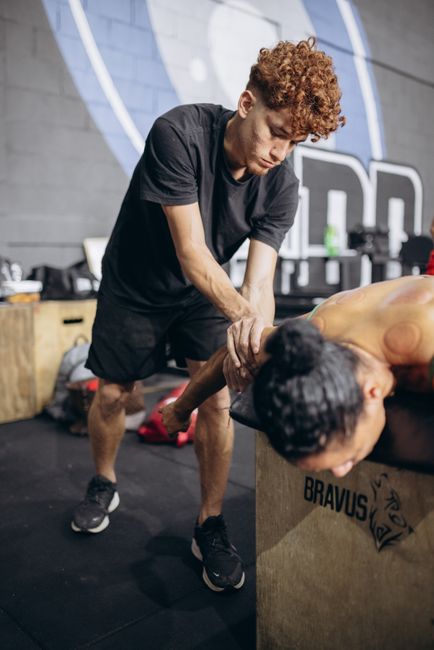
Sports-related back injuries can happen during a hard tackle, awkward landing, sudden twist, heavy lift, or gradual increase in training. Many are preventable when athletes prepare their bodies, build strength progressively, pay attention to technique, and respond early to warning signs.
For residents of Ulster, NY, seasonal changes can also affect training habits. Outdoor athletes may move quickly from winter inactivity into spring running, field sports, cycling, or recreational leagues. That sudden shift in workload can place extra stress on the muscles, joints, and tissues supporting the spine.
What usually causes a sports-related back injury?
Most athletic back injuries result from a combination of force, repetition, fatigue, and insufficient preparation. A single event may cause a strain, but repeated stress can also produce pain over time.
Common contributing factors include:
- Increasing training volume too quickly
- Poor lifting, throwing, or landing mechanics
- Repeated twisting or bending
- Weakness in the abdominal, hip, or back muscles
- Limited hip or leg mobility
- Playing while fatigued
- Returning to sports before an injury has recovered
- Inadequate warm-up or recovery between sessions
Contact sports may cause direct impact injuries, while running, golf, tennis, rowing, gymnastics, baseball, hockey, and weight training may place repeated demands on the lower back. Youth athletes are also vulnerable when their bodies are growing while training loads remain high.
How should athletes warm up before activity?
A useful warm-up gradually raises body temperature and prepares the movements required by the sport. It should not leave an athlete exhausted before practice or competition.
Begin with five to ten minutes of easy movement, such as walking, light jogging, cycling, or sport-specific footwork. Follow that with controlled dynamic movements:
- Hip hinges
- Walking lunges
- Bodyweight squats
- Arm circles
- Trunk rotations within a comfortable range
- Light skips or lateral steps
Static stretching may be appropriate after activity or as part of a separate flexibility routine. Forceful stretching of a cold muscle immediately before explosive activity is not a substitute for a gradual warm-up.
An athlete preparing for snow sports, outdoor running, or field activity after a period of reduced winter exercise may need a longer warm-up and a slower initial pace.
Which exercises help protect the back?
Back protection depends on more than strengthening the lower back. The hips, abdomen, upper back, and legs all help control movement and distribute force.
Useful exercises may include:
- Glute bridges for the hip and buttock muscles
- Bird-dog exercises for trunk control
- Side planks for the side abdominal muscles
- Dead bugs for controlled abdominal coordination
- Squats and split squats for leg strength
- Hip hinges for safe bending and lifting mechanics
- Rows or similar movements for upper-back strength
Perform exercises slowly enough to maintain control. The goal is not to force the spine into extreme positions. A neutral, comfortable spine with steady breathing is generally more useful than high repetitions performed with poor form.
A balanced program should include strength, mobility, cardiovascular conditioning, and rest. No single exercise prevents every type of back injury.
How can athletes increase training safely?
Training increases should be gradual, especially after a break, illness, injury, or change in sport. A common mistake is trying to regain lost conditioning in a few intense sessions.
Increase only one or two factors at a time, such as distance, speed, weight, practice duration, or frequency. If running normally involves three miles, for example, adding both distance and sprint intervals in the same week may create an unnecessary jump in workload.
Watch for symptoms that persist into the next day. Mild muscle tiredness is expected, but increasing pain, altered movement, or stiffness that interferes with normal activity suggests that the workload may be too high.
Rest days are part of training rather than a sign of poor commitment. Sleep, hydration, adequate food intake, and recovery between demanding sessions all affect how well the back handles physical stress.
Why does technique matter during lifting and sport-specific movement?
Good technique helps the body share force among the hips, legs, trunk, and upper body instead of concentrating it in the lower back.
When lifting from the ground, keep the load close, place the feet securely, bend through the hips and knees, and avoid twisting while carrying the object. During strength training, use a manageable weight that allows controlled repetitions.
Athletes should also practice landing with the hips and knees helping absorb force. In sports involving rotation, such as swinging, serving, or throwing, the movement should come from coordinated motion through the hips, trunk, and shoulders rather than repeated forceful twisting through the lower back alone.
Coaches, parents, and athletes can watch for warning signs such as excessive arching, collapsing posture, uncontrolled rotation, or a noticeable change in technique late in practice.
What should an athlete do when back pain starts?
Pain should not automatically be treated as something to push through. Stop or modify the activity if pain is sharp, worsening, associated with weakness, or changing the way the athlete walks, runs, lifts, or lands.
For a minor strain, relative rest may be more helpful than complete bed rest. Gentle walking and comfortable movement are often preferable to remaining still for long periods, provided symptoms do not worsen. Ice or heat may offer temporary comfort, although neither corrects the underlying cause.
An athlete should not return to full practice simply because the pain has temporarily decreased. A safer progression is:
- Normal daily activities without increasing symptoms
- Light aerobic movement
- Moderate training
- Sport-specific drills without contact
- Full practice
- Competition
Each stage should be tolerated before moving to the next. Young athletes should involve a parent, coach, athletic trainer, or qualified healthcare professional when symptoms persist or return during progression.
When does back pain require prompt medical attention?
Back pain after a major collision, fall, or forceful impact deserves evaluation, especially if the pain is severe or movement is difficult. Prompt medical attention is also appropriate for:
- Numbness, tingling, or weakness in a leg
- Pain traveling below the knee
- Loss of bowel or bladder control
- Numbness in the groin or inner thighs
- Fever, unexplained weight loss, or unusual illness
- Pain that is constant, worsening, or present at night
- Repeated back pain in a young athlete
- Symptoms that do not improve with activity modification
These symptoms can indicate a condition that requires more than routine stretching or self-care.
Preventing sports-related back injuries is less about avoiding movement and more about preparing for it. Gradual conditioning, sound technique, trunk and hip strength, suitable equipment, and timely attention to symptoms allow athletes to remain active while reducing avoidable stress on the spine.
