
 See Our Latest Article on HelloNation
What does clicking in the neck usually mean?
Clicking, popping, snapping, or crackling in the neck is often caused by ordinary movement within the joints and surrounding tissues. A painless sound that happens occasionally is usually less concerning than clicking combined with pain, stiffness, weakness, numbness, or a recent injury.
The neck contains small joints, muscles, tendons, ligaments, and discs that help support and move the head. As the head turns or tilts, these structures shift. The sound may come from:
- Small pressure changes that create or release gas bubbles in a joint
- A tendon or ligament moving across a nearby structure
- Stiff joints moving after a period of inactivity
- Age-related changes in the joints or discs
- Muscle tightness that alters normal movement
The sound itself does not always identify the cause. Two people may notice similar clicking for entirely different reasons.
Why does my neck click when I turn my head?
Neck clicking during rotation is commonly related to joint movement, muscle tension, or reduced mobility in one area of the cervical spine. It may be more noticeable after sitting at a computer, looking down at a phone, driving, sleeping in an awkward position, or doing work that keeps the head turned.
Seasonal routines can also affect symptoms for local residents. Cold weather may lead people to spend more time indoors, sit for longer periods, or tense the shoulders without realizing it. Winter driving, shoveling, home maintenance, and prolonged use of screens can add strain to the neck and upper back.
Clicking that occurs without pain and does not limit movement is generally less worrisome. However, repeated forceful neck movements should not be used simply to make the sound happen. Frequent self-manipulation may irritate joints and muscles, especially when the neck is already sore or stiff.
Is neck crepitus a sign of arthritis?
Sometimes, but not always. “Crepitus” describes crackling, grinding, or popping sensations around a joint. In the neck, crepitus may occur with normal joint pressure changes, but it can also become more common as cartilage, discs, and small spinal joints change over time.
Arthritis-related changes are more likely to matter when clicking is accompanied by:
- Persistent stiffness, particularly after rest
- Reduced ability to turn or tilt the head
- Local tenderness or aching
- Pain that gradually worsens
- Symptoms extending into the shoulder or arm
Imaging is not automatically needed for every neck sound. A physical examination and symptom history often provide more useful first information. Scans may be considered when symptoms persist, follow trauma, or suggest nerve or spinal cord involvement.
Can poor posture cause neck clicking?
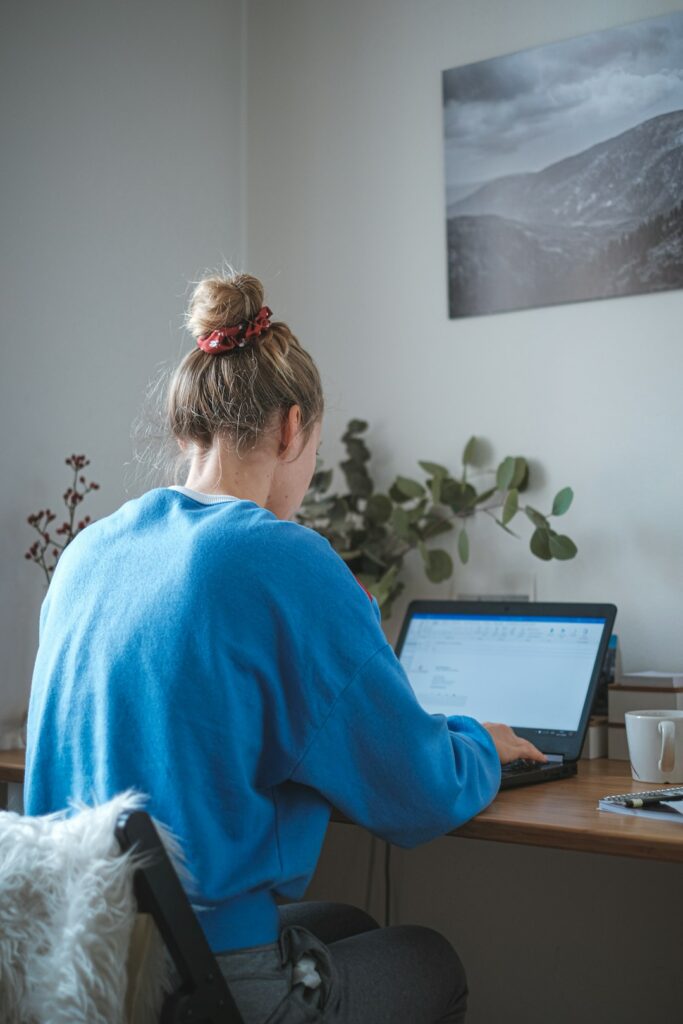
Poor posture may not directly create the clicking sound, but it can increase strain on the muscles and joints that move the neck. Forward-head posture, rounded shoulders, and prolonged downward gazing can make the neck work harder to support the head.
Common contributors include:
- Laptop or monitor placement that encourages looking down
- Holding a phone between the ear and shoulder
- Sleeping with the neck sharply bent
- Long periods of driving
- Repetitive overhead work
- Carrying bags or equipment on one side
Changing position regularly is usually more helpful than trying to maintain one rigid “perfect” posture. A screen closer to eye level, supported forearms, relaxed shoulders, and brief movement breaks can reduce accumulated strain.
What can help if clicking comes with mild stiffness?
For mild symptoms without injury or neurological changes, gentle movement is usually preferable to complete rest. Slow, comfortable neck turns and shoulder movements can help prevent stiffness. Movement should stay within a tolerable range and should not be forced to produce a pop.
Other reasonable measures include:
- Applying warmth for muscle tightness
- Using a cold pack briefly after a recent minor strain
- Adjusting screen height and seating support
- Taking short movement breaks during desk work
- Avoiding sudden, forceful twisting
- Returning gradually to normal activities

Over-the-counter pain medicines may not be appropriate for everyone, particularly people with certain stomach, kidney, liver, blood pressure, pregnancy, or medication concerns. A pharmacist or medical clinician can help determine whether a product is safe.
If clicking continues for several weeks, repeatedly returns, disrupts sleep, or affects work and daily activities, an evaluation can help distinguish simple mechanical noise from a joint, muscle, disc, or nerve problem. Chiropractic care may be one part of a broader musculoskeletal assessment, but neck manipulation is not appropriate for every person or every condition.
When is clicking in the neck a warning sign?
Neck clicking deserves prompt medical attention when it follows a significant event or appears with symptoms suggesting nerve, spinal cord, vascular, or infectious problems.
Seek urgent care after a car crash, fall, diving injury, sports collision, or other forceful event—especially if pain is severe or movement is limited.
Prompt assessment is also warranted for:
- Numbness, tingling, or weakness in an arm or leg
- Trouble walking, balancing, or coordinating the hands
- Pain traveling from the neck into the arm
- Severe or unusual headache
- Dizziness, fainting, vision changes, or speech difficulty
- Difficulty swallowing
- Loss of bladder or bowel control
- Fever, unexplained weight loss, or feeling seriously unwell
Emergency symptoms should not be attributed to a harmless “pinched” area or ordinary joint noise. Sudden neurological changes, severe headache with neck pain, or symptoms after trauma require immediate medical evaluation.
Should you try to crack your own neck?
Occasional natural popping during normal movement is different from repeatedly pulling, twisting, or using the hands to force a crack. Forceful self-cracking can aggravate muscles and joints and may mask an underlying movement problem. Rare but serious blood-vessel injuries have also been associated with sudden, aggressive neck movements.
If there is a constant urge to crack the neck, pain each time it pops, or a growing need to manipulate it for temporary relief, the pattern is worth discussing with a qualified healthcare professional. The goal should be restoring comfortable movement and identifying contributing factors—not producing a particular sound.
For most people, painless clicking is a mechanical symptom rather than a diagnosis. The more useful questions are whether the sound is new, whether it is becoming more frequent, and whether it is accompanied by pain, restricted motion, injury, or changes in strength and sensation.
