
 See Our Latest Article on HelloNation
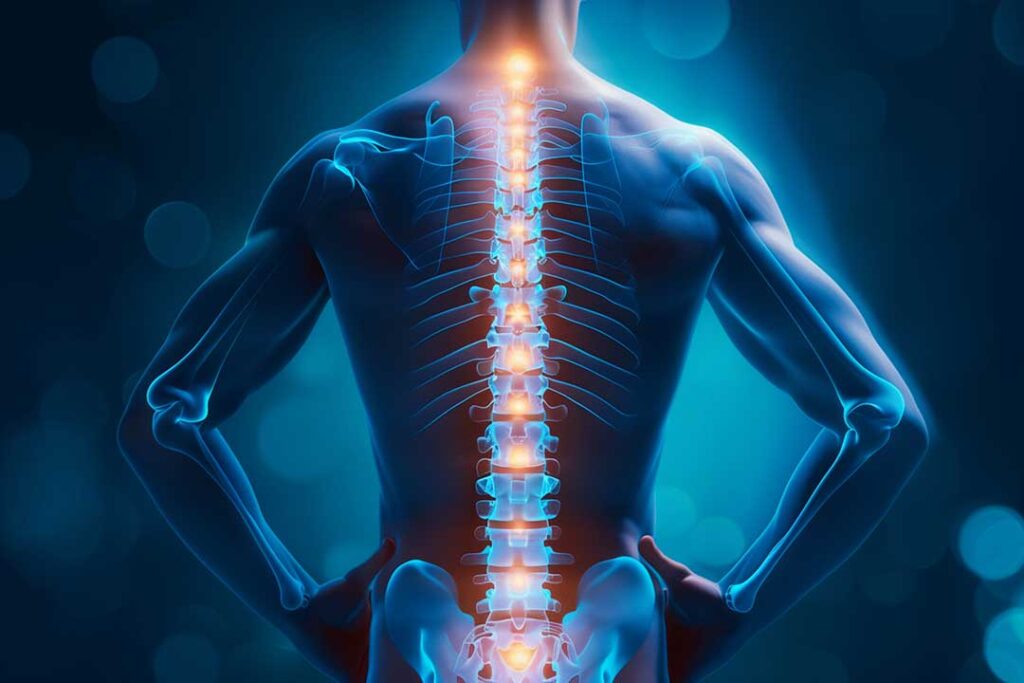
A minor back strain often follows lifting, reaching, shoveling, yardwork, exercise, or an awkward twist. The discomfort may feel sore, tight, or sharp with certain movements. Most uncomplicated strains improve with simple home care, but the pattern of symptoms matters because not every back problem is a muscle strain. ([medlineplus.gov](https://medlineplus.gov/backpain.html?utm_source=openai))
What does a minor back strain feel like?
A strain affects a muscle or tendon and commonly causes localized pain, tenderness, stiffness, muscle spasm, or reduced movement. Pain may be worse when bending, standing from a chair, turning in bed, or using the injured muscles.
A typical strain does not usually cause numbness, tingling, or weakness in a leg. Pain that travels below the knee may suggest irritation of a nerve or another condition rather than a simple muscle injury. ([medlineplus.gov](https://www.medlineplus.gov/ency/article/007425.htm?utm_source=openai))
Should ice or heat be used first?
Either cold or heat may provide relief, depending on the stage of the injury and which feels better.
- During the first day or two after a sudden strain, a cold pack wrapped in a cloth may help reduce pain and swelling.
- After the initial period, or when stiffness is the main problem, gentle heat may relax tight muscles and make movement easier.
- Use either option for short periods rather than falling asleep with a heating pad or placing ice directly on the skin.
Cold and heat manage symptoms; they do not identify the cause of back pain. If one method increases discomfort, stop using it. ([medlineplus.gov](https://medlineplus.gov/backpain.html?utm_source=openai))
Is bed rest helpful for a pulled back muscle?
Extended bed rest is usually not helpful. Staying in bed for more than a day or two can increase stiffness and make it harder to return to normal activity. Short periods of rest may be reasonable immediately after a painful incident, but gentle movement is generally preferred as symptoms allow. ([medlineplus.gov](https://medlineplus.gov/backpain.html?utm_source=openai))
Try brief, easy walks around the home. Change positions regularly instead of remaining seated for long stretches. Stop an activity that causes a sharp increase in pain, but do not avoid all movement simply because the back feels sore.
For local residents dealing with seasonal snow, ice, gardening, or home-maintenance tasks, recovery may require temporarily reducing lifting, twisting, shoveling, and carrying. Returning to those activities too quickly is a common reason symptoms flare again.
What movements are safe during recovery?
The safest early movements are usually slow, controlled, and within a comfortable range. Walking is often a practical starting point. Gentle pelvic tilts, comfortable position changes, and light mobility may also be appropriate, but exercises should not cause worsening pain, numbness, or leg symptoms.
Avoid aggressive stretching immediately after an injury. A forceful stretch can aggravate a muscle that is already irritated. The goal is not to “push through” pain; it is to prevent unnecessary stiffness while allowing the tissues to settle.
As movement becomes easier, gradually resume ordinary tasks. A useful guide is whether symptoms return to their previous level within a reasonable period after activity. If pain steadily escalates from day to day, the activity level may be too high.
Can over-the-counter medicine help?
Over-the-counter pain relievers may help some adults remain gently active while a strain heals. Nonsteroidal anti-inflammatory drugs, such as ibuprofen or naproxen, are commonly used for acute low back pain, while acetaminophen may be considered by some people for pain relief. ([mayoclinic.org](https://www.mayoclinic.org/diseases-conditions/back-pain/diagnosis-treatment/drc-20369911?utm_source=openai))
Medication is not appropriate for everyone. People with a history of stomach ulcers or bleeding, kidney disease, certain heart conditions, medication interactions, pregnancy, or blood-thinning treatment should ask a pharmacist or medical clinician before using an NSAID. Follow the package directions and avoid combining products that contain the same active ingredient.
Pain medicine should not be used to mask severe symptoms so that strenuous activity can continue.
When should a person seek medical evaluation?
A minor strain should gradually improve rather than become more severe. Medical evaluation is appropriate if pain is intense, prevents comfortable movement, keeps worsening, or does not begin improving with home care.
Prompt evaluation is especially important after a fall, vehicle collision, heavy impact, or other significant injury. Back pain accompanied by fever, unexplained weight loss, a history of cancer, or pain that is consistently worse at night also deserves medical attention. ([medlineplus.gov](https://www.medlineplus.gov/ency/article/007425.htm?utm_source=openai))
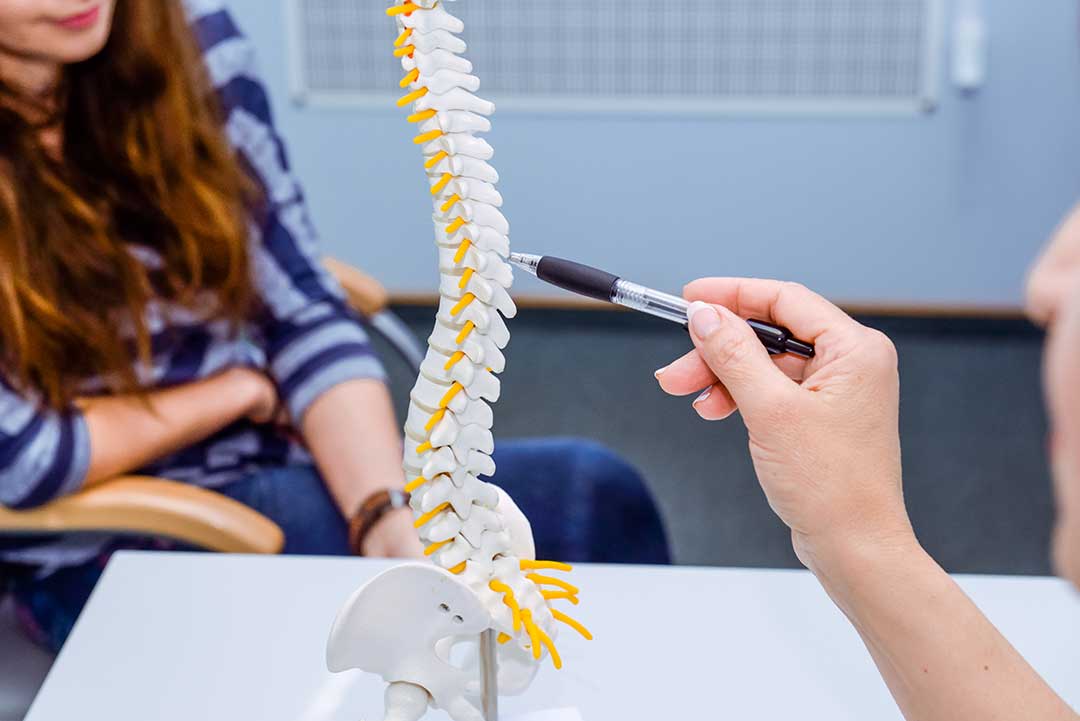
Seek urgent care for:
- New loss of bladder or bowel control
- Numbness around the groin or inner thighs
- Significant weakness in one or both legs
- Difficulty walking or maintaining balance
- Severe pain with unexplained fever
- Back pain with blood in the urine or burning during urination
- Pain traveling below the knee with weakness or numbness
These symptoms may indicate nerve involvement, infection, kidney-related illness, fracture, or another condition that should not be treated as an ordinary strain. ([medlineplus.gov](https://www.medlineplus.gov/ency/article/007425.htm?utm_source=openai))
What role can a chiropractor play in back-strain care?
Chiropractic care may be considered as part of an evaluation for uncomplicated mechanical back pain, but the first step is determining whether the symptoms fit a minor strain. A responsible assessment should include questions about the injury, symptom location, leg symptoms, general health, and warning signs.
Spinal manipulation is not appropriate for every person or every type of back pain. Symptoms suggesting fracture, infection, serious nerve compression, or another medical condition require medical evaluation rather than routine self-treatment. Any hands-on treatment should be stopped if it causes increasing pain, new numbness, weakness, or other concerning symptoms.
How can another strain be prevented?
Once pain has settled, prevention focuses on building back and hip strength, improving lifting habits, and increasing activity gradually. For tasks such as moving wet snow, carrying firewood, or working around the house, keep loads close to the body, avoid twisting while lifting, and divide heavy loads into smaller ones.
Warm up before strenuous activity, especially after long periods of sitting or during colder weather. Use a stable stance, bend through the hips and knees, and ask for assistance with bulky or unusually heavy objects. A gradual return is safer than testing the back with a demanding task as soon as pain decreases.
Most uncomplicated back strains improve over days to several weeks. If the expected improvement does not occur, or if the symptoms do not clearly resemble a muscle strain, the problem deserves a more complete clinical assessment. ([medlineplus.gov](https://www.medlineplus.gov/ency/article/007425.htm?utm_source=openai))
