
 See Our Latest Article on HelloNation
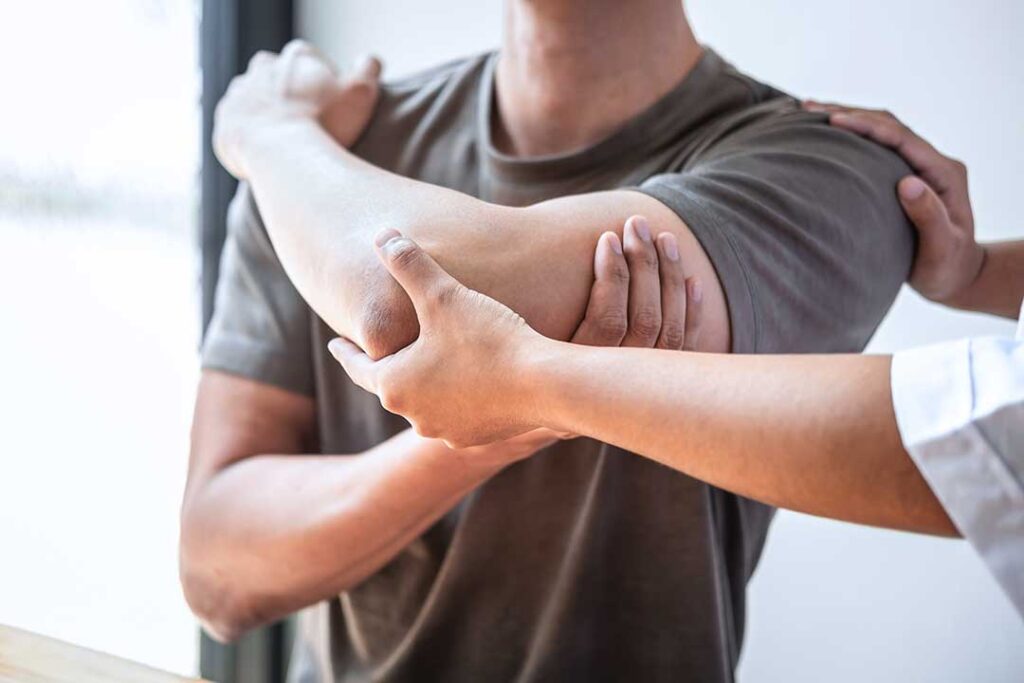
Families in Ulster, NY often balance school sports, outdoor recreation, work, household tasks, and seasonal activities. Chiropractic care may support that active lifestyle by addressing certain muscle and joint problems, improving movement, and helping people understand how to return to activity safely.
It is not a replacement for medical evaluation, physical therapy, emergency care, or sport-specific rehabilitation. Its usefulness depends on the individual’s condition, the techniques used, and whether care is combined with appropriate exercise and lifestyle changes.
What role can chiropractic care play in an active family?
Chiropractic care commonly focuses on the muscles, joints, spine, and movement patterns involved in everyday activity. For some adults with uncomplicated low-back pain, spinal manipulation may provide modest improvements in pain and function. Evidence also supports exercise, education, and other non-drug approaches as important parts of managing musculoskeletal problems. ([nccih.nih.gov](https://www.nccih.nih.gov/health/low-back-pain-and-complementary-health-approaches-what-you-need-to-know?utm_source=openai))
For an active household, care may be considered when someone is dealing with:
- Low-back discomfort after lifting, yard work, or exercise
- Neck or upper-back tension related to prolonged sitting or driving
- Joint stiffness that makes walking, bending, or recreational activity harder
- Muscle or joint pain that persists after a minor strain
- Difficulty returning to normal movement after a period of inactivity
A careful evaluation should come before treatment. The goal is not simply to “put something back into place,” but to understand what movements are limited, what activities aggravate symptoms, and whether another type of medical assessment is needed.
How might it help adults who exercise or do physical work?
Adults may experience strain from lifting children, carrying equipment, shoveling, gardening, home repairs, or suddenly increasing exercise. Seasonal changes can add to these demands. Snow and ice may lead to slips, while spring yard work can involve repetitive bending, twisting, and pulling after months of reduced outdoor activity.
Chiropractic care may support recovery through a combination of:
- Movement assessment
- Manual therapy or spinal mobilization
- Advice on gradually resuming activity
- Basic strengthening and flexibility exercises
- Guidance on lifting, posture, and body mechanics
Spinal manipulation is not appropriate for every type of pain. Temporary soreness, stiffness, or increased discomfort can occur, and serious complications are rare but possible. People should share information about major health conditions, medications, recent injuries, osteoporosis, neurological symptoms, or previous surgery before treatment. ([nccih.nih.gov](https://www.nccih.nih.gov/health/spinal-manipulation-what-you-need-to-know?6df6a1c6_page=3&utm_source=openai))
A useful plan should also encourage continued movement within reasonable limits. Complete inactivity can make some problems harder to manage, while trying to “push through” sharp or worsening pain can delay recovery.
Is chiropractic care appropriate for children and teenagers?
Children and teenagers need special consideration because their bodies are still developing and because the evidence for pediatric spinal manipulation is more limited than the evidence for adults with some types of low-back pain. The National Center for Complementary and Integrative Health advises parents to discuss complementary approaches with the child’s health care provider and not to delay proven medical care. ([nccih.nih.gov](https://www.nccih.nih.gov/health/tips/things-to-know-about-mind-and-body-practices-for-children-and-teens?utm_source=openai))
A child with mild muscle soreness after normal activity may need rest, gentle movement, hydration, and observation. Persistent or unexplained pain deserves a proper evaluation rather than repeated treatment without a diagnosis.
Parents should seek prompt medical guidance when a child has:
- Pain after a major fall, collision, or vehicle crash
- Numbness, tingling, weakness, or difficulty walking
- Severe pain or pain that wakes the child
- Fever, unexplained weight loss, or an unusually ill appearance
- Loss of bladder or bowel control
- Back pain lasting more than two weeks or recurring frequently
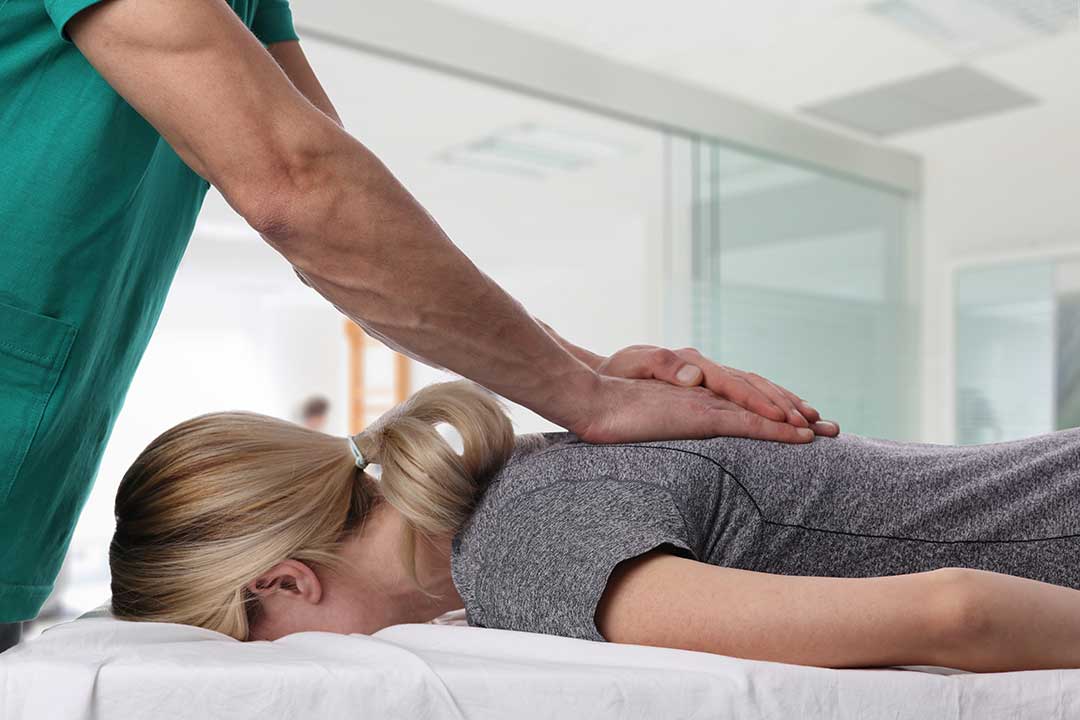
These warning signs can point to problems that require medical or emergency care rather than routine musculoskeletal treatment. ([healthychildren.org](https://www.healthychildren.org/English/tips-tools/symptom-checker/IFrame/Pages/symptomviewer.aspx?symptom=Back+Pain&utm_source=openai))
Can chiropractic care prevent sports injuries?
No treatment can guarantee that an athlete will avoid injury. Injury prevention depends more broadly on conditioning, technique, protective equipment, adequate recovery, gradual training increases, sleep, hydration, and attention to pain.
For children and adolescents, federal guidelines recommend at least 60 minutes of moderate-to-vigorous physical activity daily, with vigorous, muscle-strengthening, and bone-strengthening activity included on at least three days each week. Variety and gradual progression help reduce the risk of overuse. ([cdc.gov](https://www.cdc.gov/physical-activity/php/guidelines-recommendations/index.html?utm_source=openai))
Chiropractic care may contribute to an injury-prevention plan by identifying movement restrictions or strength imbalances that affect activity. However, it should not be presented as a substitute for coaching, physical therapy, medical assessment, or proper sport technique.
A practical family approach includes:
- Increasing training volume gradually after a break
- Alternating high-impact activities with lower-impact movement
- Scheduling rest days during demanding sports seasons
- Replacing worn or poorly fitting equipment
- Teaching children to report pain rather than hide it
- Avoiding a rapid return to competition after an injury
What should families know about concussions?
Chiropractic treatment should not be used to clear an athlete to return to sports after a suspected concussion. A child or adult with a possible concussion needs appropriate evaluation and a gradual return-to-school and return-to-play process directed by a qualified health care provider. The CDC notes that athletes should return to sports only with health care approval. ([cdc.gov](https://www.cdc.gov/heads-up/guidelines/?utm_source=openai))
Symptoms such as confusion, worsening headache, repeated vomiting, unusual drowsiness, weakness, seizure, or loss of consciousness require urgent medical attention. Neck or back discomfort after a collision also deserves careful evaluation before any manual treatment is considered.
How can families combine care with everyday habits?
Chiropractic care is most useful as one part of a broader activity plan. Families can support healthy movement at home by taking short walking breaks, practicing age-appropriate strengthening, and adjusting chores to avoid repeated twisting or lifting while fatigued.
Adults should generally work toward at least 150 minutes of moderate physical activity each week and muscle-strengthening activity on at least two days, adjusting those goals for health conditions and ability. ([cdc.gov](https://cdc.gov/physical-activity-basics/guidelines/index.html?utm_source=openai))
In the community, this may mean choosing a walk instead of remaining indoors during mild winter days, warming up before outdoor chores, using stable footwear on icy surfaces, and breaking large tasks into shorter sessions. Families should treat pain as information: mild soreness that improves may be manageable, while increasing, radiating, or persistent symptoms warrant evaluation.
The most balanced view is that chiropractic care may help some active adults manage uncomplicated musculoskeletal pain and improve function, but it is not a universal solution. Safe care begins with an accurate assessment, clear communication among health professionals, and a gradual return to the activities that matter to the household.
