
 See Our Latest Article on HelloNation
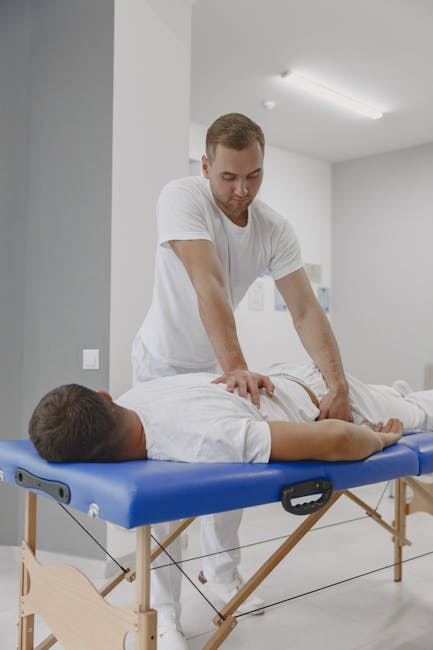
Foot pain is a common complaint among residents of Ulster, NY, especially given our active lifestyles that include hiking the Catskills, working in bustling small businesses, and enjoying our local sports and community activities. But what many don’t realize is that persistent foot discomfort may point to issues much higher up in the body—namely, the health and alignment of your spine. In this article, we’ll explore the link between foot pain and spinal alignment, why it matters, and what you can do if you notice symptoms in your own life.
How Are the Feet and Spine Connected?
Your feet are your foundation. They support and balance your entire body, and each step you take transmits forces up your ankles, knees, hips, and spine. If your feet are misaligned—due to flat arches, high arches, plantar fasciitis, or simply years of walking on hard surfaces—your posture and gait may change in subtle ways. Over time, these changes can throw your spinal alignment out of balance, causing discomfort throughout the back, shoulders, and neck.
Conversely, when your spine is misaligned, nerve signals sent to your lower limbs might be affected. Muscle tension, reduced flexibility, and abnormal gait patterns often begin higher up in the back, but manifest as pain or instability in the feet, ankles, or legs.
Why Is This Important for Ulster, NY Locals?
The beautiful natural surroundings in Ulster give us endless opportunities for outdoor activity. Whether you’re taking the scenic walkways along the Hudson River, managing chores on rugged farmland, or simply exploring downtown Kingston, your feet and spine endure daily challenges.
Locals often report:
- Increased foot pain after yard work or long hikes
- Lower back aches following participation in community sports leagues
- Heel or arch pain returning after standing on concrete at work
Recognizing the root cause of these issues—sometimes as spinal misalignment—can help prevent them from progressing into chronic problems.
Common Signs That Foot Pain May Be Linked to Spinal Issues
While occasional soreness from a long day is normal, persistent or recurring foot pain should never be ignored. Every day as a chiropractor in Ulster, I see patients who describe symptoms such as:
- Recurring heel pain (plantar fasciitis) that isn’t relieved by new shoes or orthotics
- Tingling, burning, or numbness in the toes or soles of the feet
- Pain that moves from the back down into the hips, legs, and feet (sciatica)
- Noticeable changes in foot function, such as weakness or collapsed arches
If you experience any of these issues, it may be time to consider a spinal evaluation in addition to focusing on your feet.
How Misaligned Feet Can Lead to Spinal Problems
Your gait begins with your feet. Any irregularity—overpronation, improper arch support, or structural deformities—can twist the ankles and knees, shift the hips, and ultimately curve the spine out of its ideal posture. This can result in:
- Increased lower back strain
- Muscle imbalances in the legs and hips
- Compensatory patterns, like leaning more on one side, that cause further spinal stress
In Ulster, where uneven sidewalks, hiking trails, and old wooden floors are common, these issues can develop gradually yet persistently.
How a Misaligned Spine Can Lead to Foot Pain
The relationship goes both ways. A spine that’s out of alignment can pinch nerves that control the muscles of your legs and feet. This can cause:
- Shooting pain that travels down the back to the feet
- Dropped foot (difficulty lifting the front part of your foot)
- Loss of balance, leading to unexpected foot or ankle injuries
Local residents who drive long distances, move heavy equipment, or sit at a desk for extended periods are particularly at risk for these nerve-related foot issues.
Steps to Prevent and Address Foot Pain Linked to Spinal Alignment
If you suspect your foot pain is linked to spinal issues, consider the following steps:
- Visit a chiropractor or orthopedic specialist for a comprehensive assessment of both your feet and your spine.
- Incorporate supportive footwear, especially for walking or standing on hard surfaces so common in Ulster’s workplaces and attractions.
- Strengthen and stretch both the lower back and foot muscles; many yoga classes in our area offer modifications for both.
- Utilize local resources such as walking paths with even surfaces, or try lower-impact activities like swimming at community pools.
- Seek prompt care if you experience new or worsening symptoms—early intervention is key.
What to Expect From Chiropractic Care
During a visit, your chiropractor will assess your overall posture, gait, foot structure, and spinal alignment. Treatments may include:
- Gentle spinal adjustments to correct misalignments and relieve nerve pressure
- Recommendations for custom orthotics if structural foot issues are present
- Guidance on lifestyle adaptations specific to Ulster’s environment, such as modifying hiking habits or choosing the right type of work shoe
The Takeaway for Ulster Residents
Foot pain is more than a nuisance—it’s a possible signal from your body that your foundation needs realignment. Our active, community-driven lifestyles in Ulster, NY, put unique demands on our musculoskeletal health. Knowing the connection between the feet and the spine can empower you to seek comprehensive, lasting solutions instead of quick fixes.
If you’re experiencing unexplained foot pain or chronic spinal discomfort, consider a holistic approach that evaluates both. Staying active and healthy starts from the ground up—literally.
