
 See Our Latest Article on HelloNation
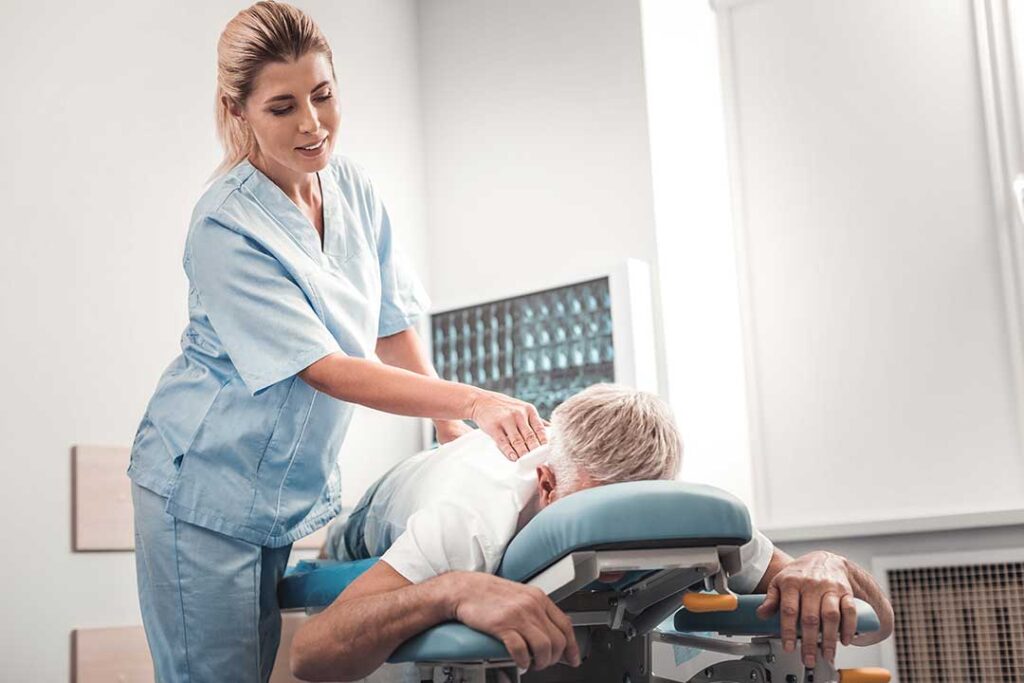
How Does the Spine Affect Everyday Activities?
The spine serves as the main support structure for the entire body, influencing how people move, feel, and function. Because it houses the spinal cord—which carries messages between the brain and every part of the body—any issues with spinal health can have wide-ranging effects on daily activities.
Poor spinal alignment or injuries may make it harder to perform typical household chores, drive, garden, or enjoy recreational walks along local trails. Even sitting at a desk during Ulster’s colder winter months can become uncomfortable if spinal health is neglected. For many area residents, consistent back or neck discomfort leads to reduced participation in favorite hobbies and community events.
What Are Common Signs That Spinal Health Is Impacting Quality of Life?
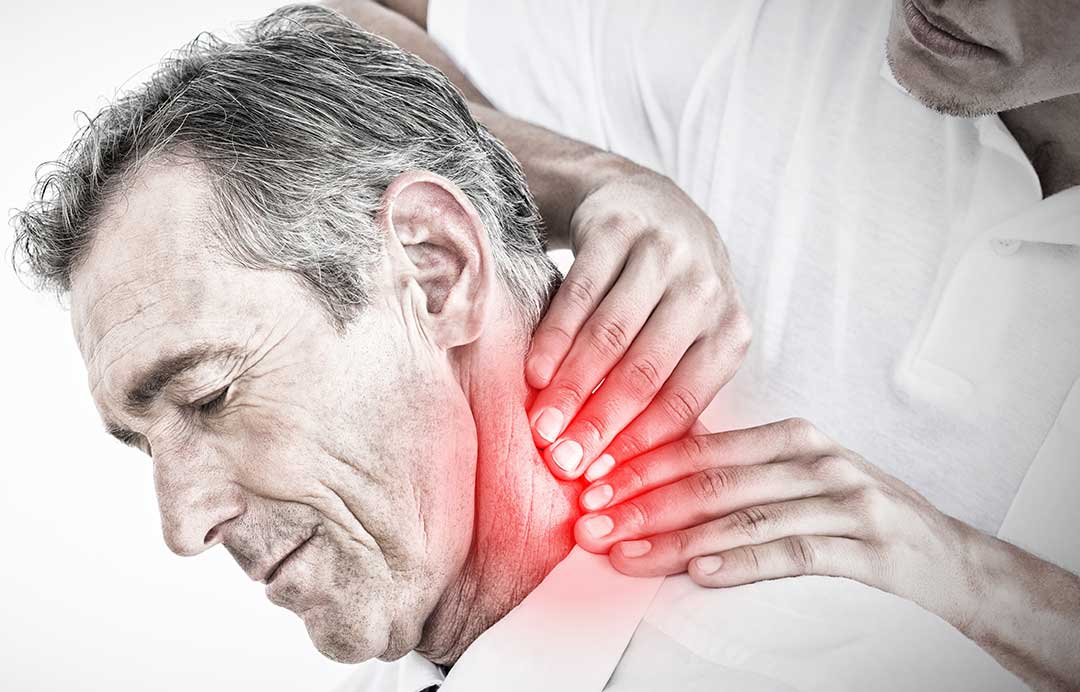
Early signs are often overlooked or mistaken for normal aging or stress. Yet, common indicators may include:
- Frequent headaches or neck pain not linked to other health conditions
- Persistent back discomfort, especially during or after physical activity
- Numbness, tingling, or weakness in the arms or legs
- Stiffness that limits flexibility and range of motion
Ignoring these symptoms may result in compensating movements that strain other muscles or joints, potentially leading to further problems. In the community, this often means someone avoids activities they once enjoyed—whether shoveling snow, hiking, or playing with grandkids—due to lingering discomfort.
Why Is Spinal Health Linked to Overall Well-being?
The spine isn’t just central to movement; it’s also key for housing nerves critical to bodily functions. When spinal alignment is off, restricted nerves may affect:
- Sleep quality: Discomfort or nerve irritation can interrupt rest, impacting mood and energy.
- Digestion: Nerves affecting abdominal organs pass through the spine, so misalignment may contribute to indigestion or other irregularities.
- Mobility: Even minor imbalances can lead to changes in walking patterns or posture, increasing fall risk during icy Ulster winters.
Locals who value an active lifestyle—whether biking on nearby trails or maintaining large gardens—rely on a healthy spine to participate fully and without pain.
What Factors Put Spinal Health at Risk for Residents?
Several factors particularly relevant to households in Ulster influence spinal health, such as:
- Weather and seasonal changes: Slippery sidewalks from seasonal precipitation increase fall risk, potentially leading to back injuries.
- Home environments: Many houses in the area have older layouts or stairs, increasing the chance for trips or lifting injuries.
- Work habits: Area residents with jobs that require long periods of sitting or heavy manual labor may experience more strain on the spine.
- Recreational routines: Gardening, wood stacking, or home improvements—common among locals—can also affect back health without proper body mechanics.
Awareness of these risk factors helps individuals make adjustments to reduce strain, such as maintaining good posture, stretching before activity, and using supportive chairs or tools around the home.
Can Lifestyle Choices Influence Spinal Well-being?
Practical daily habits make a notable difference in the way the spine feels and functions. Simple steps—adapted for the local context—include:
- Regular movement: Walking, swimming at local facilities, or gentle stretching can prevent stiffness, especially during Ulster’s colder months.
- Lifting properly: Bending at the knees rather than the waist and carrying loads close to the body reduces sudden stress on the spine.
- Sleep posture: Using supportive mattresses and pillows can minimize strain overnight.
- Ergonomics at work: Adjusting screens to eye level and using chairs with adequate back support benefits those working remotely or at local offices.
Families also find that small adjustments—such as limiting screen time or taking breaks to stretch during home improvement projects—help reduce the chance for discomfort.
Are There Misconceptions About Spinal Health Locally?
Many people believe that back pain is an unavoidable part of aging or that rest is always the answer to a sore back. However, research indicates that maintaining gentle activity, when possible, supports recovery and overall spine health. Others may think spinal issues only occur after serious injuries, overlooking how cumulative small habits—such as years of poor posture—add up over time.
Area residents sometimes dismiss mild or intermittent discomfort, assuming it will resolve on its own. Yet, paying attention to these early cues can prevent more serious mobility limitations later, particularly as icy weather and uneven terrain pose additional challenges during the year.
What Can Residents Do to Support Long-Term Spinal Health?
Being proactive is the cornerstone of protecting spinal well-being, especially in communities with seasonal challenges and active lifestyles. Helpful strategies include:
- Monitoring posture during both leisure and chores
- Staying physically active with low-impact activities
- Listening to the body and addressing discomfort early rather than waiting for it to worsen
- Creating safe home environments by minimizing trip hazards and ensuring good lighting, especially around stairs
Area households who cultivate these habits help maintain independence and participate in all that the community offers—whether that’s school activities, volunteer roles, or annual festivals—without being sidelined by persistent spinal discomfort.
